Septic System Repair vs Replacement in Arizona: How to Know What You Need
- Jul 30, 2025
- 5 min read
Updated: May 7
When it comes to maintaining your Arizona home's comfort and safety, one of the most overlooked yet crucial aspects are the condition of your septic system. Many Arizona residents forget about their septic systems until problems arise, but proactive maintenance can prevent costly repairs and backups. Knowing when to repair or replace your septic system in Arizona is vital for avoiding disruptions and protecting your property. In this comprehensive guide, we'll highlight the key signs that indicate you need septic system repair or replacement, along with important factors Arizona homeowners should consider for keeping their septic systems in top condition.
Understanding Your Septic System
A septic system is a vital element of a home’s plumbing. It processes wastewater from toilets, sinks, and other drains, preventing harmful environmental contamination. Typically composed of a septic tank and a drain field, the system breaks down solids and treats wastewater before it returns to the soil. However, like any system, malfunctions can occur.
If your Arizona property has a septic system, it's crucial to know the components involved, their roles, and common problems that may arise. Regular maintenance is essential to ensure its longevity and functionality.
Signs Your Septic System Needs Repair


Being alert to early warning signs of septic issues can greatly influence how serious the problem becomes. Here are some important indicators that your system might need repair:
Slow Drains: If multiple plumbing fixtures are draining sluggishly, this could suggest a blockage. For example, if your bathroom sink, shower, and kitchen sink are backing up, it’s likely a systemic issue requiring immediate attention.
Unpleasant Odors: Foul smells near your septic tank or drain field can indicate that waste is leaking. According to the Environmental Protection Agency, these smells may signal a serious issue that could lead to public health concerns.
Pooling Water: If you notice excess water around your drain field or septic tank, it’s a known warning sign. The EPA estimates that a malfunctioning septic system can result in up to 30 gallons of untreated wastewater contaminating the environment each day.
Lush Grass: An unusually green area over your drain field might seem appealing, but it can actually be a sign of septic leaks. Excess nutrients from leaked wastewater can result in greener grass, which is often a red flag.
Frequent Backups: If you’re regularly dealing with backups, it’s a clear signal that your system may be failing. Commonly, homeowners report issues like toilets backing up, which can indicate significant blockages in the septic system.
When to Consider Replacement


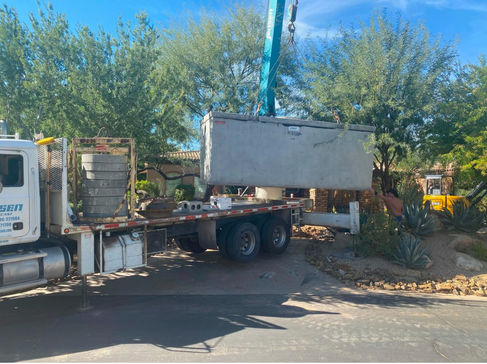
While repairs can often solve many problems, in certain situations, the full replacement of your septic system is required. Consider these signs:
Age of the System: Septic systems usually last between 20 to 30 years. If your system is approaching this age and showing the indicators listed above, it may be more practical to replace it rather than continue repairing.
Severe Structural Damage: Tanks with cracks, serious corrosion, or extensive damage often require replacement. A study by the National Environmental Services Center indicates that in rural areas, nearly 40% of older systems face structural damages.
Repeated Repairs: If you're finding yourself frequently repairing your system, it may be more cost-effective to replace it. Ongoing repairs could indicate deeper, unresolved problems within the system.
Non-Compliance with Regulations: If your septic system doesn’t adhere to local Maricopa or Pinal County health regulations, you might need to replace it. Non-compliance can result in fines or risks to your community’s health.
Factors to Consider Before Making a Decision about Septic System Repair or Replacement in Arizona
When deciding between repair or replacement, consider these key factors:
Cost of Repair vs. Replacement: Get estimates for both options. Repairs may seem less expensive upfront but can add up over time. If a replacement only costs slightly more, it might be the more strategic choice. Learn more here.
Impact on Property Value: A malfunctioning septic system can severely decrease your home’s market value. Research shows that homes with well-functioning septic systems are valued 20% higher than those with known issues.
Environmental Considerations: A leaking septic system can pollute local water sources, posing health hazards to nearby residents. Addressing these leaks by replacing a failing system can protect the environment and your community.
Future Needs: If you expect your household water usage to increase, whether from a growing family or added plumbing, consider a larger system during replacement to accommodate future demands.
Maintenance Tips for Your Septic System
Maintaining your septic system in Arizona's extreme heat and caliche soil is crucial for its longevity. Here are some practical tips to ensure it remains in good condition:
Regular Inspections: Schedule inspections every 1-3 years. This helps identify potential issues before they escalate.
Pump the Tank: Pump your septic tank every 3-5 years, depending on usage. This prevents sludge buildup and keeps the system functioning properly.
Mind Your Waste: Avoid flushing non-biodegradable items or harsh chemicals. These can disrupt the natural bacteria that break down waste.
Water Conservation: Reduce water usage to prevent overwhelming the system. Fix leaks and consider water-efficient fixtures.
Protect the Drain Field: Avoid parking or planting over the drain field. This prevents damage and ensures proper drainage.
Frequently Asked Questions
How do I know if I need septic repair or replacement?
Minor issues like clogged pipes, broken baffles, or damaged pumps can often be repaired. However, if your septic tank is cracked, the drain field has failed, or the system is outdated and no longer functioning properly, a full replacement may be the more cost-effective long-term solution.
What are signs my septic system is failing?
Common signs of septic system failure include slow drains, sewage backups, foul odors, standing water near the drain field, unusually green grass above the system, and gurgling sounds coming from plumbing fixtures. These symptoms should be inspected promptly to avoid further damage.
Is it cheaper to repair or replace a septic system?
Repairs are usually less expensive upfront, especially for isolated issues like pipe damage or pump replacement. However, if your system is older or experiencing repeated problems, replacing the septic system may save money over time by reducing future repair costs and preventing property damage.
How much does septic repair cost?
Septic repair costs vary depending on the issue. Minor repairs such as replacing a filter or repairing a pipe may cost a few hundred dollars, while larger repairs involving pumps or drain field components can cost several thousand dollars.
How much does septic replacement cost?
A full septic system replacement typically costs $10,000+ or depending on the property size, soil conditions, permits, and the type of septic system being installed.
How long does a septic system last?
With proper maintenance, most septic systems last between 20 and 30 years. Regular pumping, inspections, responsible treatment of tank, and responsible water usage can help extend the lifespan of the system.
Can a drain field be repaired?
In some cases, portions of a drain field can be repaired if the damage is minor. However, severely saturated or failed drain fields often need to be replaced to restore proper wastewater treatment and drainage.
Does homeowners insurance cover septic repairs or replacement?
Homeowners insurance coverage for septic systems depends on the policy and the cause of the damage. Sudden accidental damage may be covered, but normal wear and tear or lack of maintenance is typically excluded. It’s best to review your policy or contact your insurance provider for details.
Final Thoughts
Determining whether to repair or replace your septic system can be daunting. It requires careful observation, proactive care, and understanding of the signs that indicate distress. By maintaining awareness of your septic system’s condition and acting promptly when issues arise, you can improve its longevity and ensure your home remains safe and functional.
Investing in timely repairs or considering a replacement now can save you from larger, costlier problems down the road. Always prioritize immediate concerns to ensure safety, legal compliance, and environmental protection. A bit of preventive care can go a long way, so get connected with BEST Septic Solutions to get a FREE estimate on a repair or replacement!


