Is Your Septic System Worth Repairing or Is It Time for a Replacement?
- Apr 8
- 5 min read
Updated: May 7
Septic systems are essential for managing household wastewater, but like any infrastructure, they don’t last forever. If your septic tank is around 30 years old, you might be wondering, should you invest significant money into repairing an aging tank, or is it time to bite the bullet and replace the entire system? This decision can save you thousands of dollars and prevent costly damage to your property. Understanding the typical lifespan of septic systems and the costs involved in repairs versus replacement will help you make an informed choice.

How Long Do Septic Systems Usually Last?
Septic systems generally have a lifespan ranging from 20 to 40 years, depending on several factors:
Material of the tank: Concrete tanks tend to last longer than plastic or fiberglass ones.
Installation quality: Proper installation extends the system’s life.
Maintenance habits: Regular pumping and inspections prevent premature failure.
Soil conditions: Certain soils drain better, reducing strain on the system.
Household usage: Larger families or heavy water use can shorten lifespan.
A 30-year-old septic system is approaching the upper end of its expected life. While some tanks can function well beyond 40 years, many start showing signs of wear and failure around this time.
Signs Your Septic System Needs Attention
Before deciding on repair or replacement, watch for these common warning signs:
Slow drains and backups inside the home.
Pooling water or soggy spots near the drain field.
Strong sewage odors around the yard or inside the house.
Lush, green grass over the drain field even during dry weather.
Frequent need for pumping or repairs.
If you notice any of these, it’s time to get a professional inspection. However, even the best-maintained systems have a finite life. Components like tanks, drain fields, and other parts can deteriorate due to wear and tear or neglect, meaning that eventually, replacement will be necessary. When an older system begins showing signs of trouble, the question shifts from if something needs to be done to what the most financially responsible course of action is.
The Rule of Thumb: Repair or Replace?
A practical guideline for deciding whether to repair or replace a septic system is to compare repair costs to replacement costs. If the cost of repairs exceeds 50% of the cost of a new system, replacement is usually the better option.
Why This Rule Matters
Older systems often have hidden problems that repairs won’t fully fix.
Repeated repairs add up and can become more expensive than replacement.
New systems come with warranties and improved technology.
Replacement can increase property value and reduce future risks.
Imagine your septic system needs a major repair that costs $7,000. To put that into perspective, installing a brand-new system in your area typically costs around $12,000. Since $7,000 is more than half of the replacement cost, opting for a full replacement often makes more financial sense.
Beyond the financial aspect, installing a new septic system provides a long-term solution. It comes with new components and a warranty, giving you peace of mind. Additionally, a complete replacement ensures your system meets current local regulations and codes, which may have changed significantly over the past 30 years.
While a single, isolated problem might be fixable, major repairs on an older system rarely offer the same long-term value as a full replacement. It's important to consider the future cost of potential follow-up repairs and the peace of mind that comes with a brand-new system. Before deciding to fix a tank that is near or past its expected lifespan, weigh the benefits of a complete replacement for a more reliable and stress-free solution. Continuing to patch up an aging system can lead to a cycle of failures, where fixing one issue only results in another problem shortly afterward. A full replacement addresses current needs and helps prevent ongoing maintenance headaches down the road.
What Does A Septic System Replacement Involve?
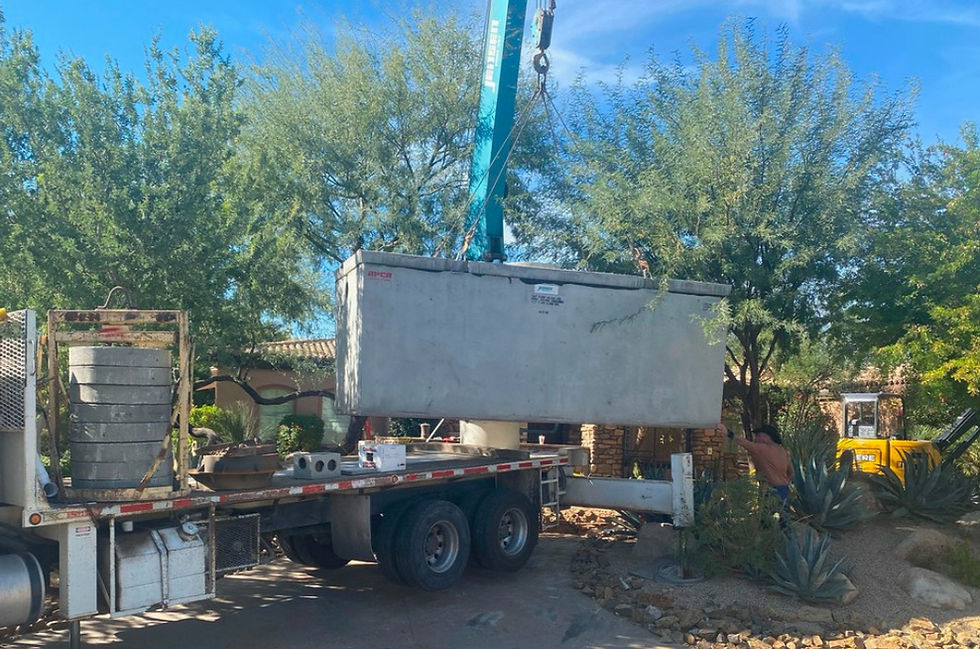
Replacing a septic system means removing the old tank and drain field and installing new components. This process includes:
Excavation and removal of the old tank.
Soil testing to design an appropriate drain field.
Installation of a new tank and drain field.
Inspection and permits from local authorities.
The upfront cost can be significant, but new systems often require less maintenance and operate more efficiently.
When Repair Makes Sense
There are cases where repair is the right choice:
The system is less than 20 years old.
Damage is limited to a small, accessible part.
Repairs cost well under 50% of replacement.
You plan to sell the property soon and want to avoid large expenses.
Minor repairs like replacing a baffle, fixing a pipe, or pumping the tank can extend system life by several years. Need a repair?
Proper care can help your system last longer:
Pump the tank every 3 to 5 years.
Avoid flushing non-biodegradable items.
Limit water usage.
Do not park or build over the drain field.
Use septic-safe cleaning products.
Regular inspections by a professional can catch problems early.
Cost Factors to Consider
Septic system costs vary widely based on:
Tank size and material
Soil type and site conditions
Local labor and permit fees
System design (learn about conventional vs. alternative systems here)
Environmental and Health Risks of a Failing System
Ignoring septic system problems can lead to:
Contamination of groundwater and nearby wells.
Health hazards from exposure to untreated sewage.
Damage to landscaping and property.
Expensive emergency repairs or replacements.
Frequently Asked Questions
How do I know if my septic system is worth repairing or needs replacement?
If the issue is isolated, such as a broken pipe, pump failure, or damaged baffle, repair is often sufficient. However, if the drain field is failing, the tank is structurally damaged, or problems keep recurring, replacement is usually the more cost effective, reliable, and long-term solution.
What are the signs my septic system may need replacement instead of repair?
Frequent backups, sewage surfacing in the yard, persistent odors, and soggy areas over the drain field are common signs of system failure. If multiple components are failing or the system is near the end of its lifespan, replacement may be necessary and more cost effective.
Is it cheaper to repair or replace a septic system?
Repairs are typically less expensive upfront and are best for isolated issues. Replacement costs more initially, but can be more cost-effective over time if the system is old or experiencing repeated failures that would require ongoing repairs.
How much does septic repair cost?
Septic repair costs vary depending on the issue. Minor repairs may range from a few hundred dollars, while more complex repairs involving pumps, pipes, or drain field components can reach several thousand dollars.
How much does septic replacement cost?
A full septic system replacement typically ranges from about $10,000+, depending on soil conditions, system size, permits, and design requirements.
How long does a septic system last?
Most septic systems last 20–30 years with proper maintenance. Individual components like tanks and drain fields may have different lifespans depending on usage, soil conditions, and upkeep.
Can a failing drain field be repaired?
In some cases, minor drain field issues can be addressed. However, if the drain field is saturated or has completely failed, redesign and replacement is usually required.
What factors determine whether I should repair or replace my septic system?
Key factors include system age, extent of damage, condition of the drain field, frequency of past repairs, and whether the system meets current local code requirements.
Conclusion
Investing in timely repair or replacement protects your home and community. If you are facing the septic age dilemma, let our team of experts help you evaluate the true cost of repair versus the long-term value of replacement to help you make the right call for your home.


