How Much Does a Septic System Cost in Arizona? (2026 Installation Breakdown)
- Sep 24, 2025
- 4 min read
Updated: May 7
Installing a septic system is an important decision for homeowners. It can be a hefty investment, but it's crucial for proper wastewater management, especially in areas without municipal sewer systems. This blog post explores the various factors that influence the cost of installing a septic system, ensuring you have a comprehensive understanding before making this significant commitment.
Factors Affecting the Cost of Septic System Installation
Several elements play a critical role in determining the overall cost of septic system installation. These factors can vary widely based on location, system design, and local regulations.
Type of Septic System
The choice of septic system directly influences the cost. Options include conventional systems, alternative systems, and advanced treatment systems. Additionally, the cost must account for vehicles and equipment needed to transport materials. Conventional systems are generally the least expensive, usually costing between $11,000 and $14,500. Alternative systems, suitable for difficult environments, costs are difficult to give as these systems are dependent on slopes, soils conditions, and the specialized materials according to the design. These often end up costing much more than budgeted for in the original budget of a build.
Soil Conditions
The soil conditions on your property can significantly influence installation costs. A soil test, often known as a percolation test, is necessary to assess how well water drains in your area. If the soil has poor drainage, it might require additional filtration systems or modified designs, increasing the costs. In regions with clay or rocky soil, you might spending more due to specialized solutions required for proper installation.

Local Regulations and Permits
Every state and sometimes even local municipalities have different regulations regarding septic systems. Compliance with these rules may necessitate additional permits and inspections, which can contribute to installation expenses. Fees for permits can range from $500 to $2,000+. Make sure to check local regulations early in the planning process to avoid unexpected costs.
Will Insurance Pay for a New Septic System?
Many homeowners wonder whether their property insurance will cover the cost of septic system installation or repair. Generally, homeowner insurance policies do not cover septic system failures, unless the failure resulted from a covered peril, such as a flood. However, it’s essential to review your specific policy or consult your insurance agent to understand your coverage.
Sometimes, if your home is newly built and you find you need a system soon after moving in, the builder may hold some responsibility to install compliant systems, depending on the agreements made prior.
Size of the System
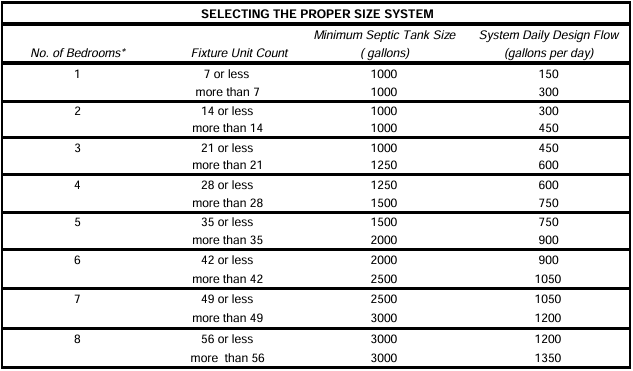
The size of your septic system is another crucial factor affecting costs. Larger systems are necessary for homes with more occupants or higher water usage. A standard system installation with a seepage pit for a 3 bedroom 2 bath and costs between $11,000 and $14,500. If additional bedrooms or fixtures are planned, expect to pay more for larger capacity systems. It’s wise to consult with a professional to correctly assess your needs based on your household size.
Additional Features and Upgrades
Some homeowners may opt for additional features that enhance the function or longevity of the system, such as risers for easy access or pumps for elevated lots. These features can add substantial costs. For example, adding risers might cost an extra $300 to $500 apiece, while a pump and accessories can range around $3,500. While these upgrades may increase the initial installation costs, consider them carefully to maximize the lifespan and efficiency of your septic system.
The Importance of Professional Installation
Although it may be appealing to cut costs by choosing a DIY installation, septic systems are a valuable investment for your property that need expert handling to ensure they meet regulations and function correctly. Hiring a licensed professional might be more expensive at first, but it will save you money over time by avoiding costly repairs or system failures.
The typical cost for professional installation varies from $11,000 and upwards influenced by several previously mentioned factors. Additionally, a certified contractor should offer a warranty, ensuring peace of mind for your investment. Ultimately, investing in professional installation not only enhances the quality of the work but also safeguards your financial commitment in the long run.
FAQs
How much does it cost to install a septic system in Arizona?
Septic system installation costs in Arizona vary based on soil conditions, property size, permits, and system type. Conventional systems are generally less expensive than alternative or engineered systems if the property conditions can support it.
Do I need a permit to install a septic system in Maricopa County?
Yes. Septic system installations require permits and approval through the local county environmental department before construction can begin.
What is a perc test and why is it required?
A perc test measures how quickly soil absorbs water. The results help determine the proper septic system design for the property.
How long does septic system installation take?
Most septic installations take several days to complete after permits are approved, though timelines vary depending on weather, inspections, and project complexity.
What type of septic system is best for my property?
The best system depends on soil conditions, lot size, slope, groundwater levels, and local code requirements.
Can I install a septic system on any property?
Not always. Soil conditions, available space, setbacks, and environmental regulations all affect whether a property qualifies for a septic system.
Who installs septic systems in Arizona?
Licensed septic contractors handle septic system design coordination, installation, repairs, and replacements in Arizona.
The Bottom Line
When considering a septic system installation, it's vital to understand the various factors above influencing the overall costs. From the type of system and soil conditions to local regulations, each aspect plays a role in determining how much you’ll need to budget for the project.
For an accurate budget, consult with a professional to obtain an estimate, as this will offer a clearer picture of your potential expenses. Understanding these components will not only prepare you for the investment ahead but will also help contribute to the longevity and efficiency of your new septic system.
For more detailed information about septic system installation costs, you can check out septic system installation costs. This resource offers insights into various service packages and installations tailored to your specific needs.
Planning wisely can lead to a successful septic system that operates efficiently for years to come.


